
How to Prevent Basement Flooding in Cherry Hill
When it comes to protecting our homes, we know that basement flooding can be a real concern. It can lead to severe damage to our foundations and interiors, often resulting in issues like mold growth, water damage, and those dreaded hefty repair bills. At CHW Basement Waterproofing, we understand just how important it is to safeguard our properties, particularly in Cherry Hill, where heavy rains, inadequate drainage, and aging infrastructure can all elevate the risk of a flooded basement. In this article, we’ll share practical strategies that highlight the necessity of proper maintenance and address timely installations to keep our basements dry.
We’ll explore various methods to combat basement flooding, covering everything from exterior water management and solid foundation reinforcement to smart interior solutions and effective landscaping practices. By focusing on quality products like sump pumps, french drains, and waterproofing sealants, we aim to equip homeowners with the knowledge needed to make informed decisions. Together, we’ll explore the significance of regular gutter checks, sealing up potential cracks, and ensuring proper grading around our homes. Plus, we’ll touch on internal strategies like selecting the right sump pump installation and routinely testing our drainage systems. By implementing these measures, we can help ourselves and other homeowners in Cherry Hill steer clear of the financial and structural pitfalls of basement flooding. Now, let’s dive deeper into each technique and see how we can effectively protect our homes!
Implement Effective Exterior Water Management Around Your Cherry Hill Home
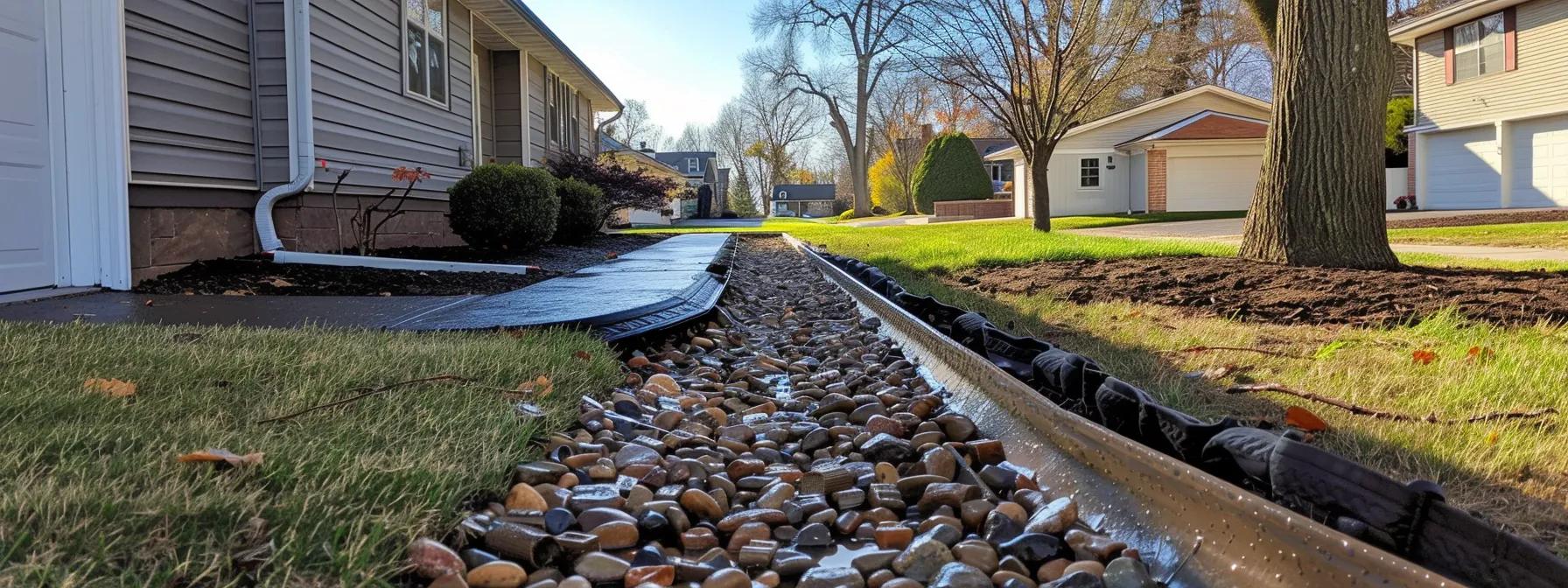
Preventing water from accumulating around your home is the first step in effective basement flood mitigation. One of the best strategies is to manage the water that approaches your home before it can infiltrate your foundation. We achieve this by using multiple complementary methods that ensure drainage is directed away from vulnerable areas.
Maintain Clear and Functional Gutters and Downspouts
Gutters and downspouts play a crucial role in channeling rainwater away from your home’s foundation. Over time, debris such as leaves and twigs can clog these systems, causing water to overflow and pool near the building. We recommend regular cleaning at least twice yearly, especially during fall and spring, to keep the channels open. When these channels work properly, they reduce the moisture load on your basement walls and help prevent water intrusion through cracks. Additionally, installing gutter guards can minimize clogging and maintenance time.
Ensure Proper Yard Grading Slopes Away From the Foundation
The way your yard is graded plays a big role in how water behaves around your home. Ideally, the ground should slope gently away from your foundation to keep water from collecting near your basement. If you’ve noticed pooling in certain spots, it might be time to take a closer look. We often recommend having a professional evaluate your yard’s slope—sometimes all it takes is some added soil or minor regrading to steer water in the right direction. It’s a simple but effective step in protecting your foundation and reducing the risk of seepage. At CHW Basement Waterproofing, we’ve seen how proper grading can make a big difference for homeowners dealing with basement waterproofing Cherry Hill NJ.
Install Window Well Covers to Block Rain and Debris
Rainwater can collect in window wells in homes with basement windows and eventually seep through cracks or gaps. Window well covers are a simple yet effective solution to keep water and debris away from these vulnerable areas. These covers provide a sealed barrier, reducing the risk of water entry during heavy rainfall. Combined with proper drainage around the window wells, they significantly lower the chances of condensation and water infiltration inside the basement.
Consider French Drains for Advanced Water Diversion in Cherry Hill Properties
Installing a french drain can be highly effective for more advanced water management. A french drain is a perforated pipe laid in a gravel-filled trench, which collects groundwater and directs it away from the foundation. This system is particularly beneficial in areas where conventional drainage systems are inadequate. Expert installation ensures that water is efficiently diverted before it gathers near the home, reducing the hydrostatic pressure against basement walls and minimizing the risk of seepage. Homeowners can benefit greatly from this method, especially when facing persistent water table challenges.
Fortify Your Foundation Against Water Intrusion in Cherry Hill
Your home’s foundation keeps everything strong, so it’s crucial to shield it from water damage. Over time, moisture can break down concrete and masonry, causing cracks, seepage, and a damp basement—issues no homeowner wants to deal with. That’s why we proactively approach basement waterproofing Cherry Hill NJ. Our team focuses on long-term solutions that not only keep your basement dry but also help maintain the integrity of your foundation for years to come.
Inspect and Seal Cracks in Basement Walls and Floors
Regular inspection of your basement for cracks or gaps in the walls and floors is key to preventing water entry. Even small fissures can become the entry point for moisture over time. We advise using high-quality sealants designed for wet environments. Sealing these cracks not only stops water penetration but also helps prevent mold growth and structural damage. A thorough inspection should be conducted annually or after significant weather events to ensure that no new cracks have formed.
Apply Waterproofing Sealants to Interior and Exterior Foundation Surfaces
Waterproofing sealants form an impermeable barrier over foundation surfaces, making it much harder for moisture to seep through. Applying these sealants on both the interior and exterior surfaces of your foundation offers dual protection. Exterior applications are especially beneficial as they act as the first line of defense against rainwater and groundwater. Moreover, the use of sealants that are rated to withstand hydrostatic pressure will increase the longevity of your waterproofing system and ultimately reduce maintenance costs.
Understand Hydrostatic Pressure and Its Impact on Cherry Hill Basements
Hydrostatic pressure is the force exerted by standing water against your foundation. It can force water through even minute openings in the basement walls when it builds up. Understanding this phenomenon is essential for implementing countermeasures such as drainage systems and basement waterproofing solutions. We recommend engaging with experts who can assess the specific hydrostatic conditions around your property and suggest tailored solutions. Proper management of this pressure is crucial for long-term basement integrity and ensuring that precautionary measures can hold up even in severe conditions.
Install and Maintain Interior Basement Waterproofing Systems

While addressing exterior water sources is critical, interior waterproofing systems provide effective redundancy. These systems are designed to collect and divert water that may seep through the foundation, ensuring your basement remains dry and functional, even during heavy rainfall.
Choose the Right Sump Pump for Your Cherry Hill Basement
Sump pumps are the backbone of interior waterproofing. Choosing a high-quality sump pump that is designed for your climate and basement specifics is essential. We consider factors like horsepower, volume capacity, and durability. Models with battery backup capabilities are particularly beneficial, as they offer continuous operation during power outages. We advise consulting with professionals to ensure the pump is sized correctly for the square footage and expected water load of your basement. A properly installed sump pump can lower indoor humidity significantly and keep unwanted flooding at bay.
Regularly Test and Service Your Sump Pump and Battery Backup
Even the best sump pump will fail without routine maintenance. Regular testing, at least once a year, ensures that the pump operates during critical moments. We emphasize periodic servicing, including checking the float switch, inspecting the discharge pipe for blockages, and ensuring the battery backup is fully charged. This proactive maintenance minimizes the risk of pump failure during a storm, protecting your basement against unexpected flooding incidents. Keeping a detailed service record can also help in troubleshooting and future upgrades.
Consider an Interior Drainage System for Comprehensive Water Collection
Beyond a sump pump, an interior drainage system can channel water from your basement’s perimeter to a central collection point. These systems typically consist of a network of perforated pipes and trench drains that capture and redirect water away from your living space. Such systems are highly effective in catching even minor leaks before they develop into major issues. In humid climates or during prolonged rainy seasons, this comprehensive approach can be the deciding factor in maintaining a dry basement environment. It works in synergy with other systems like dehumidifiers to improve indoor air quality and reduce condensation.
Keep Basement Floor Drains Clear of Obstructions
Floor drains are an often-overlooked part of interior waterproofing. These drains help remove accumulated water quickly, but if they become clogged with debris or sediment, their effectiveness is severely reduced. We recommend regular inspections and cleaning of these drains to ensure free flow. Using strainers or filters can also help prevent clogs, further enhancing the performance of your drainage system. A well-maintained floor drain system is critical during an emergency flood and can make a significant difference in mitigating water damage.
Address Plumbing and Appliance Risks to Avoid Indoor Flooding Sources

While external and foundational water intrusion is a major concern, many indoor sources can contribute to basement flooding if not addressed properly. Routine maintenance of appliances and plumbing can prevent leaks and reduce water damage risks significantly.
Additionally, investing in basement waterproofing services can enhance protection against such incidents.
Routinely Check Washing Machine Hoses for Wear and Tear
Washing machine hoses are subject to constant pressure and vibration, making them prone to wear over time. Even a small leak can result in considerable water damage if left unchecked. We recommend inspecting hoses regularly for signs of fraying or bulging. Replacement should be done at the first sign of deterioration, using high-quality, reinforced hoses designed for durability. Proactive maintenance of these components helps ensure that minor drips do not escalate into major flooding events.
Inspect Water Heaters for Leaks and Potential Failure
Water heaters, particularly older or poorly maintained, can pose a significant risk to your basement. A leaking water heater not only wastes energy but can also cause structural damage and promote mold growth. We advise regular professional inspections and prompt repairs if any leaks or corrosion are detected. Installing a drip pan under your water heater and keeping an eye on temperature settings can also help in early detection and prevent unexpected water release.
Be Aware of Pipe Condensation and How to Manage It
Cold water pipes in a warm, humid basement can develop condensation, leading to minor water droplets that accumulate over time. While each droplet may seem insignificant, the cumulative effect can create a damp environment that fosters mold and mildew. We suggest insulating pipes to reduce temperature differences and managing indoor humidity levels with a dehumidifier. This strategic management prevents condensation from turning into a persistent leak that damages both your walls and flooring.
Install a Backwater Valve to Protect Against Sewer Backups in Cherry Hill
Sewer backups are one of the most challenging indoor flooding issues for homeowners. A backwater valve is designed to prevent sewer water from flowing back into your basement during heavy rain or blockages in the municipal sewer line. Installation of this valve is an investment in long-term peace of mind. Our professionals assess your plumbing system to ensure that the valve is integrated seamlessly, reducing the risk of contamination and unsanitary flooding. This solution is especially important in older neighborhoods where municipal infrastructure may be outdated.
Adopt Smart Landscaping Practices to Reduce Flood Risk
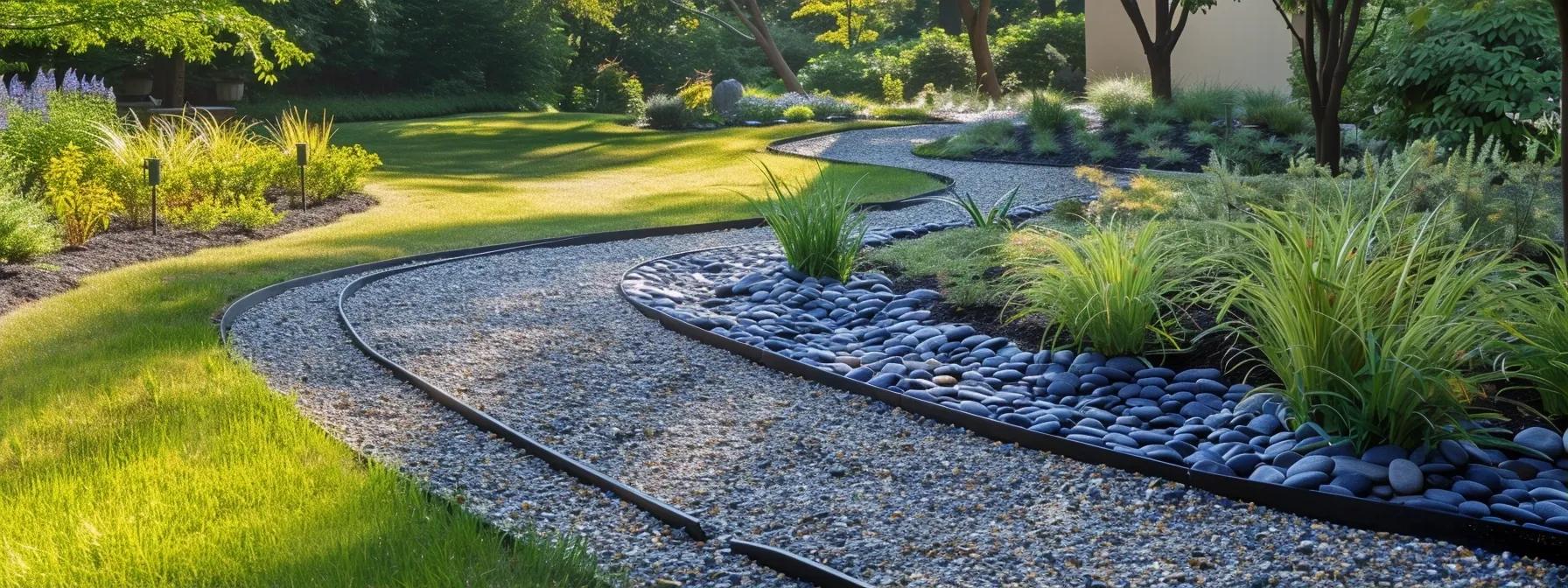
Landscaping isn’t just about making your yard look great—it also plays a big role in protecting your home. With the right design, we can improve drainage and help keep water from pooling near your foundation, which is one of the key steps in preventing moisture from getting into your basement. At CHW Basement Waterproofing, we’ve seen how smart landscaping can support effective basement waterproofing Cherry Hill NJ. From grading the soil away from the house to using water-friendly plantings, simple changes to your yard can make a big difference in keeping your basement dry year-round.
Select Plants With Appropriate Water Needs Near Your Foundation
Strategic plant selection is essential to managing moisture levels around your home. We recommend selecting drought-tolerant and native plants that require minimal watering when planted near your foundation. These plants not only contribute to beautiful landscaping but also aid in absorbing excess water during heavy rains. Their deep root systems promote soil stability and improve the natural drainage capacity of your yard. Proper plant placement can direct water away from the structure, reducing pressure on the foundation and lowering the risk of basement flooding.
Avoid Piling Mulch or Soil Directly Against Siding
While mulch is excellent for conserving soil moisture and suppressing weeds, placing it directly against your home’s siding can lead to moisture buildup at the foundation. Such conditions are ideal for mold growth and wood rot. We suggest maintaining a gap between mulch or soil and the house exterior. This simple adjustment allows for adequate air circulation and helps keep your foundation dry. By following best practices in mulch application, you can create a balanced landscape that supports both beauty and functionality without negatively impacting your home’s structural integrity.
Create Rain Gardens to Absorb Excess Stormwater Runoff
A rain garden is a landscaped area designed to capture and absorb runoff from roofs, driveways, and paved areas. These gardens are typically planted with water-tolerant species that thrive in wet conditions and help filter impurities before water percolates into the soil. By strategically locating a rain garden near areas with high runoff, you create an additional buffer that reduces the volume of water reaching your foundation. This natural solution complements man-made drainage systems, enhancing your home’s overall water management and reducing basement flood risks.
Ensure Patios and Walkways Do Not Direct Water Towards Your Home
The design of hardscaping elements like patios and walkways is crucial in determining water flow patterns. Improperly sloped patios or walkways can inadvertently channel water towards your foundation, increasing the risk of basement flooding. We recommend evaluating the slope and drainage of these areas and modifying them if necessary. Installing drainage channels or permeable pavers can provide a more controlled water dispersal system. When water is directed away from the house, it minimizes soil saturation near the foundation and lessens the burden on interior waterproofing systems.
Knowing When to Call for Professional Basement Flooding Solutions Cherry Hill NJ
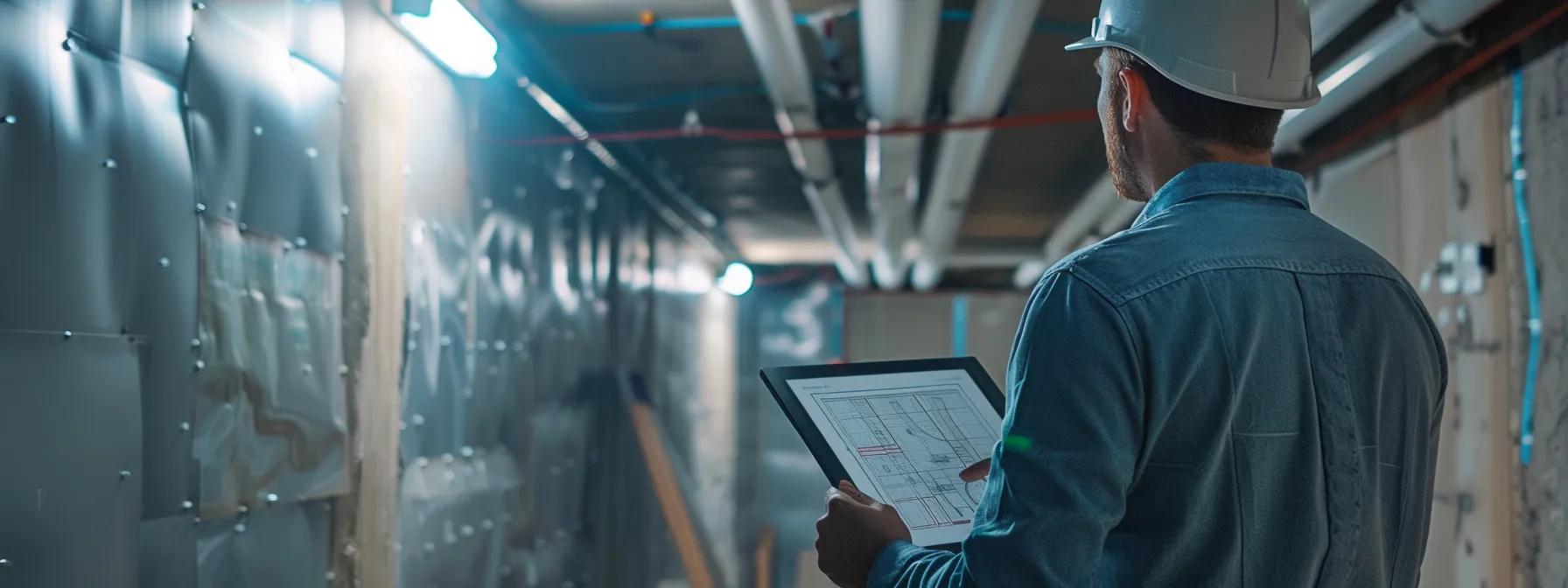
Despite our best DIY efforts and routine preventative measures, sometimes the water problem becomes too severe for homeowners to handle alone. Recognizing when to seek professional assistance is critical for safeguarding your property from ongoing damage. At CHW Basement Waterproofing, our experienced team can assess and address complex water intrusion issues that general maintenance might not resolve.
Identifying Signs That DIY Prevention Is Not Enough
There are several clear signs that professional intervention is needed. Persistent damp spots, the appearance of mold, and recurring minor leaks indicate that underlying issues continue to allow water into your basement. Any visible cracks expanding or water seeping through walls despite your attempts at repair should be taken as red flags. We encourage homeowners to monitor these signs closely. Ignoring them can lead to more extensive and expensive damage in the long run.
What to Expect From a Professional Basement Waterproofing Assessment in Cherry Hill
When you call in a professional, the process begins with a comprehensive assessment of your property’s current waterproofing system and its vulnerabilities. Our experts conduct detailed inspections, including moisture mapping, pressure testing, and structural analysis. This thorough evaluation provides a clear view of how and where water is penetrating your structure. Based on these findings, we develop a customized plan that addresses both immediate issues and long-term prevention strategies. You can expect clear communication and a detailed report outlining recommended actions.
Comparing Different Basement Flooding Solutions Cherry Hill NJ Experts Offer
Professional waterproofing companies offer a range of solutions—from exterior drainage improvements and foundation repairs to interior pumping systems and vapor barriers. Our team at CHW Basement Waterproofing uses industry-leading equipment and modern techniques to tailor the best solution for your specific needs. We compare options based on cost, ease of installation, effectiveness, and long-term durability. Transparency in these comparisons helps you make informed decisions regarding your property’s waterproofing strategy, ensuring you invest in solutions that offer lasting protection.
Long-Term Benefits of Professional Waterproofing for Cherry Hill Residences
Investing in professional waterproofing yields numerous long-term benefits. With superior protection against basement flooding, your home’s structural integrity is preserved, decreasing the likelihood of mold and pest infestations. Professionally installed solutions often come with warranties and enhanced performance guarantees, which means ongoing maintenance and repair costs are minimized. Over time, a properly waterproofed basement can substantially increase your property’s market value and curb appeal. By partnering with a basement waterproofing company, you are not only addressing current water issues but also taking proactive measures that safeguard your investment for years to come.
Frequently Asked Questions
Q: How do I know if my basement flooding is due to external water issues? A: If water pools around your foundation and you notice signs such as overflowing gutters and poor yard grading, external water management is likely insufficient. Professional assessments can determine the specific causes of water intrusion.
Q: What maintenance steps should I regularly perform to prevent basement flooding? A: Regularly inspect and clean gutters, check for cracks in your foundation, test your sump pump, and clear floor drains. These routine tasks help reduce the risk of water accumulation and damage over time.
Q: Are interior waterproofing systems really effective during heavy rains? A: Yes, interior systems like sump pumps and drainage channels work in tandem with exterior strategies to capture any water that infiltrates your foundation. Proper installation and maintenance are key to ensuring effectiveness during severe weather.
Q: When should I call for professional waterproofing services? A: If you notice persistent dampness, increasing cracks, mold formation, or repeated minor floods despite your DIY prevention measures, it’s time to consult a professional to assess and rectify the underlying issue.
Q: Can smart landscaping significantly reduce the risk of basement flooding? A: Absolutely. Properly graded yards, well-placed rain gardens, and strategic plantings can divert water away from your foundation, easing the burden on your waterproofing systems and lowering the risk of indoor flooding.