
Why Mold Remediation Matters for Cherry Hill NJ Basements: Expert Services and Prevention
Mold remediation is essential for preserving structural integrity and indoor air quality in Cherry Hill, NJ basements by eliminating hazardous fungal growth at its source. Readers will learn what causes basement mold, the health risks of exposure, how professional remediation works, and why preventive waterproofing is crucial. We’ll explore causes, health impacts, inspection and removal processes, waterproofing solutions, selecting local experts, early detection signs, and long-term maintenance. Along the way, we integrate how our CHW Basement Waterproofing services in Cherry Hill NJ complement mold remediation to keep your basement dry and safe.
Causes of Mold Growth in Cherry Hill Basements
Basement mold growth occurs when airborne spores land on damp surfaces and feed on organic materials, leading to structural decay and indoor air hazards. Understanding these root causes helps homeowners address moisture before fungal colonies expand. Our expertise in basement waterproofing Cherry Hill NJ ensures we tackle moisture at its source.
Basement mold infestation often precedes water damage visible on walls or flooring, and tackling moisture sources directly prevents deeper remediation needs.
How Moisture and Water Intrusion Lead to Basement Mold
Moisture and water intrusion transform dry basement environments into ideal breeding grounds for mold by providing the humidity and nutrients that mold spores require, which can degrade materials and trigger health issues.
Below are the primary pathways through which water undermines basement dryness:
- Capillary Action Pulls Groundwater Upward
- Foundation Cracks Allow Surface Water Ingress
- Poor Drainage Overloads Perimeter Drains
- High Humidity from Inadequate Ventilation
Common Types of Mold in Cherry Hill Basements
Basement mold refers to several fungal species that thrive in damp, low-light environments. Each type poses distinct health and property risks.
These varieties flourish on wet surfaces, making early moisture control vital to minimize remediation complexity and health hazards.
How Local Climate and Soil Conditions Affect Mold Growth
Cherry Hill’s humid summers and water-retaining clay soil increase basement moisture levels, creating persistent dampness that accelerates mold colonization.
Key local factors include:
- Seasonal Thunderstorms Delivering Heavy Rainfall
- Clay-Rich Soil Hindering Subsurface Drainage
- Proximity to Waterways Raising Groundwater Table
Health Risks of Mold Exposure in Basements
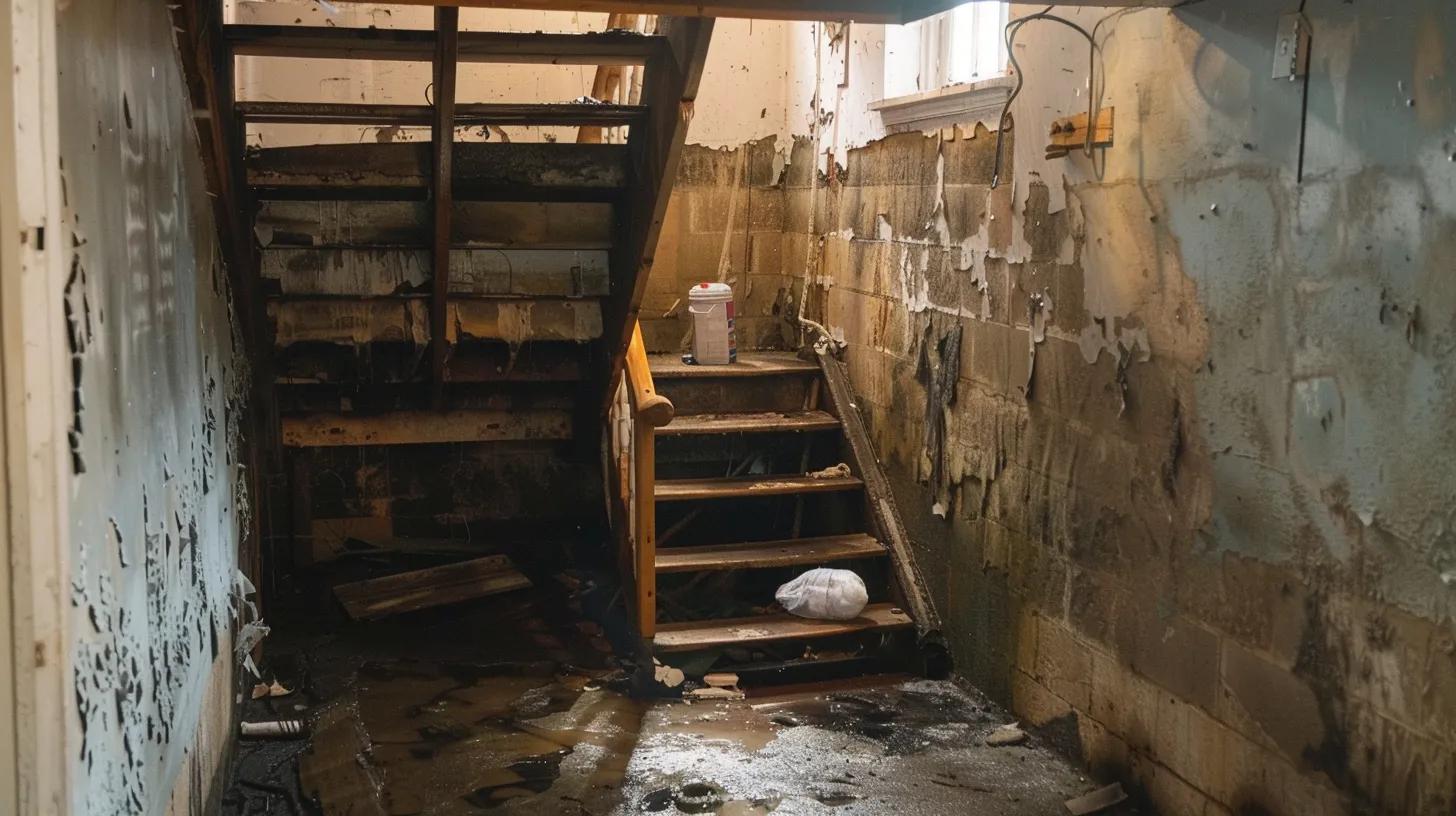


Basement mold exposure can provoke respiratory distress, allergic reactions, and neurological symptoms by releasing spores and toxins into the indoor air and undermining occupant health.
Health Risks of Mold Exposure
Mold exposure can lead to various health issues, including respiratory problems, allergic reactions, and neurological symptoms. These health impacts underscore the importance of timely mold remediation and preventative measures like waterproofing. Our commitment to effective basement waterproofing Cherry Hill NJ helps mitigate these risks.
Recognizing these risks prompts timely remediation and underscores the value of CHW Basement Waterproofing’s combined mold removal and waterproofing strategies.
Respiratory Issues and Allergies Caused by Basement Mold
Inhaling mold spores and fragments triggers immune responses that inflame airways, leading to:
- Chronic Coughing and Wheezing
- Aggravation of Asthma Symptoms
- Nasal Congestion and Sneezing
Persistent exposure can escalate into bronchitis-like conditions, reinforcing why mold removal is more than an aesthetic fix.
Mycotoxins and Their Impact on Homeowners
Mycotoxins are toxic compounds secreted by certain molds that can circulate in indoor air or settle on surfaces, posing significant health threats.
Eliminating mold colonies and preventing regrowth through basement waterproofing halts mycotoxin production and protects household well-being.
How Mold Exposure Affects Children and Sensitive Individuals
Sensitive populations—children, the elderly, and allergy sufferers—experience intensified reactions to mold by:
- Developing Severe Asthmatic Attacks
- Suffering Skin Irritations and Eczema
- Exhibiting Concentration and Behavioral Issues
Early professional remediation and humidity control safeguard those most vulnerable in your home.
The Professional Mold Remediation Process in Cherry Hill
Professional Mold Remediation Process
Professional mold remediation involves a multi-step process, including inspection, containment, removal, and clearance testing, to ensure thorough decontamination and healthy indoor air quality restoration. This process is crucial for eliminating mold and preventing its recurrence. CHW Basement Waterproofing integrates mold expertise with basement waterproofing to address root causes and secure lasting protection. Our team specializes in mold remediation and basement waterproofing Cherry Hill NJ.
Mold Inspection and Testing Procedures
A mold inspection involves moisture mapping, infrared imaging, and collecting air or surface samples to pinpoint hidden colonies and quantify spore levels. Inspectors use calibrated moisture meters and specialized cameras to reveal damp zones, then laboratory analysis confirms mold species and concentration, guiding targeted removal.
Safe Mold Removal Techniques Used
Certified technicians employ containment, HEPA-filtered air scrubbers, and antimicrobial treatments to remove mold without cross-contamination or health risks. Containment barriers and personal protective equipment ensure spores stay sealed, while specialized vacuums and disinfectants eradicate active growth and dormant spores.
Post-Remediation Verification and Clearance
Clearance testing repeats initial sampling methods to verify that spore counts have returned to safe background levels, and the results are documented in a clearance certificate. This final validation confirms that remediation was adequate and that basement conditions are restored to health-protective standards before reoccupation.
Basement Waterproofing to Prevent Mold Growth in Cherry Hill Homes
Basement waterproofing stops water intrusion at its source by channeling groundwater away from foundations, eliminating the moisture mold needs to thrive. Explore our comprehensive basement waterproofing solutions for lasting mold prevention. Waterproofing not only preserves structural integrity but also complements mold remediation, ensuring a dry environment inhospitable to fungal return.
Effective Basement Waterproofing Solutions
Effective basement waterproofing involves a combination of methods, such as perimeter drains, sump pump systems, and foundation sealing, to prevent water intrusion. These solutions work together to create a dry environment that inhibits mold growth.
Waterproofing Solutions Effective Against Mold
Crawl Space Encapsulation for Mold Prevention
Crawl space encapsulation installs heavy-duty vapor barriers and insulation to isolate soil moisture and prevent damp air from rising into the basement. This service, detailed on our crawl space encapsulation page, stabilizes humidity and complements mold remediation efforts.
Importance of Humidity Control and Ventilation for Mold Prevention
Controlled humidity below 50% and proper airflow inhibit mold spore germination by depriving colonies of the moisture they need to grow.
- Installing dehumidifiers reduces ambient moisture
- Adding vent fans expels humid air rapidly
- Sealing leaks prevents humidity spikes
Maintaining balanced humidity and airflow is essential for a mold-resistant basement environment.
Choosing Local Cherry Hill Mold Remediation Experts
Local experts combine deep community knowledge with proven methods, delivering efficient mold remediation tailored to Cherry Hill’s unique climate and soil challenges. We are proud to be your local experts for basement waterproofing Cherry Hill NJ.
Choosing CHW Basement Waterproofing ensures you benefit from over 20 years of experience and IICRC-certified technicians who understand local conditions intimately.
Certifications and Experience to Look For
Homeowners should verify:
- IICRC Certification in Mold Remediation
- 20+ Years of Local Basement Waterproofing Expertise
- EPA-Approved Testing and Removal Protocols
These credentials guarantee adherence to industry best practices and safe, effective results.
How Local Experts Understand Cherry Hill’s Unique Mold Challenges
Our technicians leverage community insights—such as peak rainfall patterns and clay soil behavior—to design remediation and waterproofing systems that address recurring moisture sources.
What Cherry Hill Homeowners Say About Our Mold Remediation Services
- “Our basement is finally dry and mold-free thanks to CHW’s professional mold removal and drainage system.”
- “They detected hidden leaks, cleared the mold, and sealed our foundation—no more musty odors.”
Positive feedback reinforces our reputation for dependable, high-quality service in the Cherry Hill community.
Signs of Mold in Your Cherry Hill Basement
Visible discoloration and persistent musty odors signal mold colonization, while recurring allergy symptoms among occupants often indicate hidden fungal growth.
Early detection allows for quicker professional intervention and reduces the extent of both remediation and structural repairs.
Identifying Visible Mold and Odors
- Dark Stains on Walls, Floors, or Ceilings
- Powdery or Slimy Surface Textures
- Persistent Musty Smell Even After Cleaning
These indicators demand immediate moisture investigation to prevent extensive mold proliferation.
When to Schedule a Professional Mold Inspection
- Water Stains or Foundation Cracks
- Recurring Respiratory Symptoms Indoors
- Humidity Above 60% Despite Ventilation
Prompt evaluation by certified inspectors saves time and protects your family’s health.
Maintaining a Mold-Free Basement After Remediation
Long-term mold prevention hinges on regular maintenance of waterproofing systems, humidity monitoring, and prompt repair of leaks or cracks.
Integrating routine checks with professional service keeps basements dry and inhospitable to mold.
Regular Maintenance Tips to Prevent Mold Recurrence
- Inspect and Repair Foundation Cracks Promptly
- Clean and Test Sump Pump System Quarterly
- Run Dehumidifiers During Humid Seasons
- Remove Debris from Perimeter Drains Annually
Consistent care reduces moisture buildup and extends the life of both remediation and waterproofing solutions.
How Often to Inspect and Service Waterproofing Systems
Professional evaluation of drainage, seals, and pumps every 12 months ensures all components function optimally and prevents undetected water intrusion.
Annual service by CHW Basement Waterproofing preserves basement dryness and supports mold-free living.
Mold remediation combined with expert basement waterproofing provides Cherry Hill homeowners a durable defense against fungal threats, safeguarding health and property value. Contact us for a free inspection and discover how our specialized mold removal and waterproofing services can protect your home for years.
Frequently Asked Questions
Signs of Mold Presence in Your Basement
Common signs of mold presence in your basement include visible discoloration on walls, floors, or ceilings, often appearing as dark stains or powdery textures. A persistent musty odor, even after cleaning, can indicate hidden mold growth. If you or your family members experience recurring allergy symptoms or respiratory issues indoors, it may also suggest mold infestation. Early detection is crucial for effective remediation, so it’s vital to investigate these signs promptly.
Preventing Mold Recurrence After Remediation
Regular maintenance is essential to prevent mold from returning after remediation. This includes monitoring humidity levels to keep them below 50%, promptly repairing any leaks or cracks, and ensuring proper ventilation. Running dehumidifiers during humid seasons and cleaning sump pump systems quarterly can also help. Additionally, conducting annual inspections of your waterproofing systems will ensure they function correctly, thus maintaining a dry environment that discourages mold growth.
Addressing Suspected Mold Without Visible Signs
If you suspect mold in your basement but cannot see it, it’s advisable to schedule a professional mold inspection. Inspectors use specialized tools like moisture meters and infrared cameras to detect hidden mold colonies and assess moisture levels. They can also collect air samples for laboratory analysis to confirm the presence of mold spores. Early intervention is key to preventing extensive damage and health risks associated with mold exposure.
How Humidity Control Contributes to Mold Prevention
Humidity control is vital for mold prevention as mold spores thrive in moist environments. Keeping indoor humidity levels below 50% can significantly reduce the likelihood of mold growth. This can be achieved through dehumidifiers, proper ventilation, and sealing leaks that allow moisture to enter. Maintaining a balanced humidity level creates an inhospitable environment for mold, thus protecting your basement and overall home health.
Benefits of Professional Mold Remediation Services
Professional mold remediation services offer several benefits, including thorough inspection and identification of mold types, effective removal of mold colonies, and prevention of future growth. Certified technicians use advanced techniques and equipment to ensure safe and complete remediation. Additionally, they provide guidance on moisture control and waterproofing solutions, which are essential for long-term mold prevention. This expertise protects your health and preserves your property’s value.
Choosing the Right Mold Remediation Expert in Cherry Hill
When selecting a mold remediation expert in Cherry Hill, look for certifications such as IICRC (Institute of Inspection, Cleaning and Restoration Certification) and experience in local conditions. Check for positive customer reviews and ask about their remediation process and safety protocols. A reputable expert should provide a detailed plan, including inspection, removal, and post-remediation verification. Ensuring they understand Cherry Hill’s unique climate and soil challenges is also crucial for effective service.
Conclusion
Mold remediation combined with effective basement waterproofing is essential for maintaining a healthy living environment in Cherry Hill, NJ. By addressing moisture issues and eliminating mold, homeowners can protect their health and preserve their property value. Don’t wait for mold to become a problem; take proactive steps today to ensure your basement remains dry and safe. Contact CHW Basement Waterproofing for a free inspection and discover how our specialized mold removal and waterproofing services can protect your home for years to come.