
Best Basement Drainage Systems for Cherry Hill, NJ Homes
Basement drainage systems collect, redirect, and remove water away from a home’s foundation to prevent seepage, flooding, and structural damage. In Cherry Hill, seasonal heavy rains, varying soils, and a higher water table make reliable drainage essential to protect foundations and indoor air quality. This guide explains why drainage matters locally, compares the main solutions—French drains, interior drain tile, sump pumps, and exterior waterproofing—and walks you through choosing the right approach for your property. You’ll also get clear guidance on cost drivers, routine maintenance, and common troubleshooting so you can evaluate options and plan a sensible upgrade. Finally, we describe how CHW Basement Waterproofing applies local experience and service options to help homeowners schedule installations and request on-site assessments. Together, these sections give you the practical information needed to protect your home.
Why Basement Drainage Matters for Cherry Hill Homes
Basement drainage reduces hydrostatic pressure against foundation walls and keeps subsurface water out of living spaces. When systems work as intended, they divert groundwater and surface runoff away from the house, lowering the risk of foundation cracks, mold, and costly interior repairs. Proper drainage also stabilizes moisture around the footing, protecting long-term structural integrity and preserving property value in areas that face seasonal saturation. Knowing the local causes of water intrusion helps you choose solutions that treat both surface and subsurface water sources.
Common Causes of Basement Water Problems in Cherry Hill
Water problems here often stem from saturated soils, poor grading, clogged gutters, and isolated plumbing failures that let water reach foundations. Heavy spring and summer storms raise groundwater and increase hydrostatic pressure, which can push water through hairline cracks or porous masonry. Clay-heavy soil pockets hold moisture longer than sandy areas, extending the conditions that drive seepage and compromising shallow footing drainage. Simple homeowner checks—inspect grading, test downspout discharge, and look for damp spots after storms—can show whether the issue is surface-related or needs subsurface work.
How Effective Drainage Protects Your Foundation and Home Value
Good drainage lowers lateral water pressure on foundation walls and helps prevent small cracks from widening into structural problems. By channeling water away from the footing into designated outlets or a sump, systems reduce repeated wet/dry cycles that weaken concrete and mortar, cutting long-term repair costs and protecting resale value. In finished basements, keeping the space dry protects flooring, stored belongings, and indoor air quality by preventing mold and mildew—benefits that make the home easier to sell and may reduce insurance risk. Investing in proper drainage now protects both your home’s structure and its value.
Which Basement Drainage Systems Work Best in Cherry Hill?
Drainage solutions fall into several proven categories—exterior French drains, sump pump systems, interior perimeter drains, exterior waterproofing, and surface-level measures. Each addresses different water sources and site constraints. The right choice depends on whether water is entering from the yard, through the foundation wall, or because of a high water table.
Each system has trade-offs in cost, disruption, and longevity; matching those trade-offs to your site conditions is key.
This comparison makes it easier to match your site conditions to each system’s strengths and limitations.
How French Drain Systems Work and Their Benefits
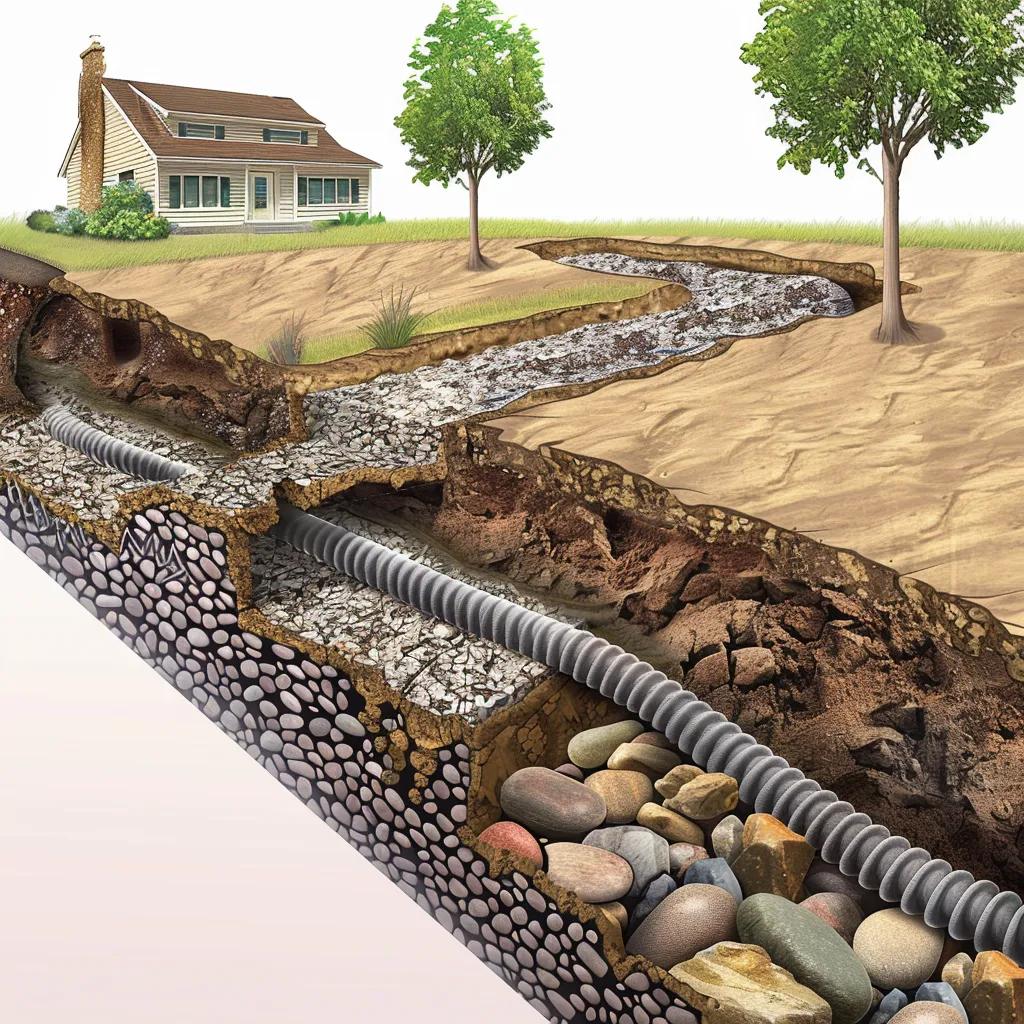
A French drain collects subsurface groundwater in a gravel-filled trench with a perforated pipe, allowing water to flow by gravity to a safe discharge point or a sump. By intercepting water before it reaches the footing, the system lowers lateral hydrostatic pressure on foundation walls—useful on properties with high groundwater or perimeter seepage. Benefits include passive operation, long service life when properly installed, and predictable maintenance. Installation requires excavation and yard restoration, so weigh landscape disruption against long-term perimeter control.
What Sump Pump Systems Do and Why They Matter
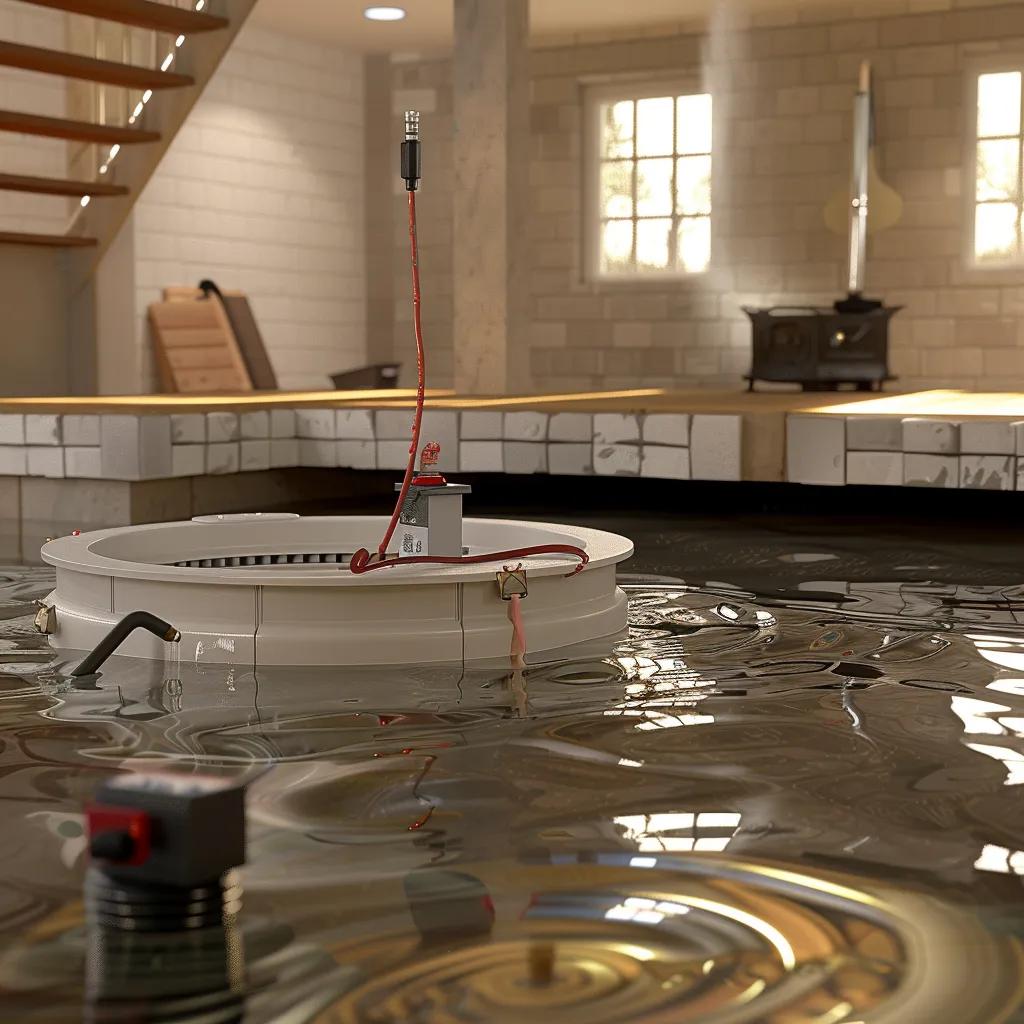
Sump pump systems collect water in a basin and use an active pump to discharge it away from the home, preventing basement flooding during heavy events. Pumps are available as pedestal or submersible models and typically include float switches for automatic operation; a battery backup keeps things running during power outages that often accompany storms. Regular maintenance—testing, clearing debris, and replacing aging pumps—keeps the system reliable when you need it most. Where gravity drainage can’t guarantee dryness, a sump pump is essential.
How Interior Basement Drainage Systems Manage Water
Interior perimeter drainage (drain tile or Waterguard-style) routes water that collects at the base of foundation walls into a concealed channel leading to a sump basin. Installed along the footing inside the basement, these systems capture wall seepage and small inflows that bypass exterior measures. Interior installs are less disruptive to landscaping and avoid exterior excavation, making them a common choice for finished basements. They’re often combined with sump pumps and dehumidifiers for complete moisture control.
How Exterior Waterproofing Protects Foundations
Exterior waterproofing protects foundations by excavating to the footing, applying a waterproof membrane to the outside wall, and installing exterior drain tile so water never contacts the masonry. This approach reduces hydrostatic pressure and minimizes the chance of interior seepage. It’s the most robust option for severe exterior intrusion but requires more excavation and landscape restoration, so costs and disruption are higher. For long-term exterior control, the investment can reduce interior repair needs over time.
Other Practical Measures That Prevent Basement Flooding
Supplemental measures—grading corrections, downspout extensions, regular gutter maintenance, yard drains, and dehumidifiers—manage surface water and humidity at lower cost and with minimal disruption. Regrading away from the house and keeping gutters clear reduce how much water reaches the foundation during storms. Yard or channel drains manage concentrated flows, while dehumidifiers and vapor barriers help control indoor humidity after water control measures are in place. These steps are often the first line of defense and work best with subsurface systems as part of a layered strategy.
Smart supplemental work can delay or avoid more invasive repairs and improve the performance of perimeter drainage already in place.
How to Choose the Right Drainage System for Your Cherry Hill Home
Choosing the right system means matching the water source, basement type, landscape access, and budget to what each solution actually does. Start by diagnosing whether the problem is surface-driven (grading or gutters) or subsurface-driven (high water table, hydrostatic pressure), and whether the basement is finished or unfinished—because that affects acceptable disruption. Factor in maintenance expectations, warranty needs, and local permitting when weighing interior versus exterior options. A clear comparison helps you prioritize goals—prevent seepage, avoid flooding, or protect finished space—and choose the systems that meet those priorities.
This table ties common homeowner priorities to system recommendations and shows how CHW’s services align with typical needs.
Factors That Should Guide Your System Choice
Consider the primary water entry point (surface vs. subsurface), soil type, whether the basement is finished, landscape access for excavation, budget, and local codes. Soil affects drainage speed: clay holds water and often requires more aggressive subsurface solutions, while sandy soils drain faster and may need simpler measures. Finished basements usually favor interior systems to avoid extensive restoration; exterior excavation is preferable when you want to keep water off the wall entirely. Balancing these factors produces a plan that fits effectiveness, cost, and disruption tolerance.
Why a Professional Assessment Pays Off
An on-site assessment spots hidden contributors—buried drains, plumbing leaks, or grade problems—that a DIY check can miss. Professionals perform moisture mapping, inspect foundation conditions, and provide a written scope linking recommendations to observed issues, which reduces the risk of under- or over-specifying work. For Cherry Hill homeowners, a professional review also clarifies permit needs and realistic timelines for installation and restoration. CHW Basement Waterproofing offers free estimates and personalized assessments so you get a tailored plan, accurate pricing, and a clear path to quality basement waterproofing in Cherry Hill, NJ.
Why Homeowners Trust CHW Basement Waterproofing in Cherry Hill
CHW Basement Waterproofing is a local contractor focused on complete basement waterproofing solutions—interior and exterior drainage, sump pump installation, and foundation protection. Public information indicates CHW has 20+ years of experience, is NJ licensed and insured, installs French drains and sump pumps, offers free estimates and flexible payment plans, and provides warranties on workmanship. The company emphasizes practical installations tailored to Cherry Hill conditions and helps homeowners evaluate options and plan work that supports long-term protection. Their goal is to deliver reliable basement waterproofing service in Cherry Hill.
How CHW’s 20+ Years of Experience Helps Your Project
Experience brings practical benefits: crews familiar with local soils and rainfall patterns work efficiently, anticipate common excavation challenges, and reduce the chance of change orders. An experienced contractor streamlines diagnosis, recommends reliable equipment—properly sized sump pumps with optional battery backup—and coordinates restoration to limit homeowner disruption. Local experience also means a better sense of neighborhood patterns where certain streets or areas tend to hold water, so solutions are tuned to long-term maintenance needs. Working with an experienced, licensed team typically delivers more predictable results than ad-hoc fixes.
CHW’s Drainage and Waterproofing Services
CHW’s services include French drain installation, sump pump installation, interior drainage systems, exterior waterproofing, foundation perimeter drains, and related waterproofing measures backed by warranties. The company offers free estimates and flexible payment plans to make projects attainable and operates licensed and insured for local compliance and homeowner protection. Combined with planned maintenance and warranty coverage, these services form an end-to-end package for homeowners tackling basement moisture and flooding risks. For system recommendations tied to your home, schedule a professional assessment to match the right approach to your site and budget.
What to Know About CHW’s Warranties and Customer Feedback
CHW reports providing warranties on workmanship and materials—an important trust signal when choosing a contractor for foundation-related work. Instead of listing individual testimonials here, we recommend checking independent third-party reviews and ratings for social proof and verifying warranty terms directly. Ask for written warranty details during the estimate so you understand coverage and length; that makes it easier to compare long-term value across proposals. If warranty-backed work and a tailored plan matter to you, request a free estimate to review scope, timeline, and coverage.
How Much Does Basement Drainage Installation Cost in Cherry Hill?
Costs vary widely by system type, project scope, and site conditions. Excavation depth, pump quality, finished-basement restoration, and local soil all affect price. Typical projects range from lower-cost interior drain tile and basic sump pump installs to higher-cost exterior excavation and membrane work that includes landscaping restoration. Expect estimates to differ based on basement square footage, whether the basement is finished, whether excavation is required, and whether a battery backup or higher-capacity pump is specified. A free on-site estimate ties recommendations to your actual conditions and is the only reliable way to get accurate pricing.
Primary Cost Drivers for Basement Drainage
Key drivers include excavation and yard restoration, finish repairs for finished basements, soil type (hard or rocky soils increase labor), pump selection and battery backups, and permits or inspections. Exterior excavation and membrane work typically cost more than interior perimeter installs, while finished basements add restoration expenses that can exceed the drainage work itself. Higher-capacity or dual-pump systems and battery backups increase equipment costs but improve storm-time reliability. The table below summarizes how these factors influence price.
This breakdown highlights where most of the budget impact comes from and where homeowners can expect the largest cost changes.
How to Get a Free Estimate from CHW Basement Waterproofing
Schedule an on-site inspection and a CHW technician will evaluate entry points, soil conditions, grading, and foundation features, then provide a written scope with recommended systems, timeline, and warranty details. The estimate typically includes photo-documented findings, system options with pros and cons for your property, and information on financing or payment plans if available. Requesting a free estimate gives you a tailored quote that reflects actual site conditions and clarifies what’s included in price and warranty. For homeowners who want reliable, warranty-backed solutions, a free on-site assessment is the next practical step toward quality basement waterproofing in Cherry Hill.
Common Questions About Basement Drainage in Cherry Hill
Homeowners often ask about project timeframes, maintenance, expected lifespans, and when to call a pro. Understanding realistic timelines and routine care helps systems last and reduces the chances of emergency repairs. Below are concise, action-oriented answers to the most common questions and simple maintenance guidelines that support long-term performance and protect finished basements.
How Long Does Basement Waterproofing and Drainage Installation Take?
Interior perimeter drain and sump pump installs can often be completed in a few days. Exterior excavation and membrane work may take several days to a week depending on weather and restoration needs. Permits, utility conflicts, or difficult soils can add time. Finished-basement projects require extra time for interior restoration and drying, so plan accordingly. Scheduling outside the peak rainy season and confirming permit timelines with your contractor helps reduce delays.
How Do You Maintain and Troubleshoot Basement Drainage Systems?
Routine maintenance includes monthly sump pump testing, seasonal gutter cleaning, and periodic checks of downspouts and grading to ensure proper runoff. Test battery backups regularly and replace batteries per the manufacturer’s guidance. Inspect interior drain channels for sediment buildup and keep discharge lines clear. Call a professional if you see continuous seepage despite a working pump, persistent musty odors, or signs of foundation movement. Proactive maintenance preserves function and extends the life of system components.
- Monthly: Test sump pump activation by pouring water into the basin and clear any debris.
- Seasonally: Clean gutters, add or extend downspouts, and check that grading slopes away from the foundation.
- Annually: Arrange a professional inspection to confirm pump performance and system integrity.
Keeping up with these checks reduces the risk of emergency failures and helps ensure systems perform during storms.
Frequently Asked Questions
What are the signs that my basement may need a drainage system?
Look for visible seepage, damp spots on walls or floors, musty odors, and mold growth. Water pooling around the foundation after heavy rain or an unusually humid basement are also warning signs. Regular inspections after storms can catch issues early so you can act before damage gets worse.
How often should I have my basement drainage system inspected?
Have your system inspected at least once a year, ideally before the rainy season. Annual checks help find clogs, pump wear, or structural changes that affect performance. After significant storms, it’s wise to do a quick inspection to catch any new issues early.
Can I install a basement drainage system myself?
Some homeowners attempt DIY installs, but we recommend hiring a professional. Proper diagnosis, system selection, and installation require experience—mistakes can lead to ineffective drainage, higher costs, or damage. A pro also ensures compliance with local codes and permit requirements.
What maintenance is required for sump pumps?
Maintain sump pumps by testing them monthly, cleaning the sump pit, and checking the discharge line for blockages. Test any battery backup regularly and replace batteries per the manufacturer’s schedule. Annual professional inspections help catch issues before they become serious problems.
How do I choose the right drainage system for my basement?
Assess the source of water intrusion, soil type, and whether the basement is finished. Exterior French drains are often best when water comes from the yard, while interior drain tile is a common solution for finished basements. Consult a professional for recommendations tailored to your conditions and goals.
What is the average lifespan of a basement drainage system?
Lifespans vary by system type, installation quality, and maintenance. Well-installed French drains and properly maintained sump pumps typically last 10 to 30 years. Regular inspections and timely repairs can significantly extend system life.
Are there any warranties available for basement drainage systems?
Many contractors offer warranties on materials and workmanship. Warranty terms vary, so review details during the estimate process and ask for written coverage information. A clear warranty gives peace of mind and ensures issues will be addressed without surprise costs.
Conclusion
A well-designed basement drainage system is one of the best investments you can make to protect your Cherry Hill home from water damage and preserve its value. Understanding options like French drains and sump pumps, keeping up with maintenance, and getting a professional assessment will help you choose the right solution. Take the first step today—request a free estimate from CHW Basement Waterproofing and get a tailored plan to safeguard your home.