
Comparing Interior and Exterior Waterproofing for Basements
Our company, CHW Basement Waterproofing, has been providing top-tier basement waterproofing solutions in Cherry Hill for over 20 years. In this article, we explain the key differences between interior and exterior basement waterproofing methods and how each works to protect your home from water damage. We discuss costs, durability, and challenges associated with each method to help you decide which solution fits your needs. With concerns about water infiltration, mold growth, and indoor air quality, understanding waterproofing is imperative for both homeowners and commercial property owners. We detail the installation process, benefits of proper basement waterproofing Cherry Hill NJ, and compare the long-term performance of interior versus exterior approaches. By the end of this discussion, you will understand how our systems protect against moisture, leaks, and structural damage, ensuring a safe, dry basement.
What Is Interior Basement Waterproofing and How Does It Work?
Interior basement waterproofing focuses on reducing damage from water that has already entered the basement. At CHW Basement Waterproofing, we apply waterproof coatings, sealants, or membranes to interior walls and floors. This method blocks moisture migration from the exterior soil and seals minor leaks.
What Are the Common Interior Waterproofing Methods?
Common methods include applying epoxy or polyurethane sealers, installing interior drainage systems such as french drains, and using sump pumps to remove accumulated water. We use high-quality sealants to create an impermeable barrier against moisture from cracks or porous concrete. Additional techniques may include installing vapor barriers or insulating foam to keep condensation and humidity under control.
What Are the Advantages and Disadvantages of Interior Waterproofing?
The advantages of interior waterproofing are lower installation costs and minimal landscape disruption. Homeowners experience immediate improvements in air quality and reduced mold risk. However, this method treats water already inside rather than stopping it at the source. Periodic maintenance is needed to retain effectiveness, and heavy groundwater pressure may not be fully addressed.
Which Basement Problems Does Interior Waterproofing Address?
This approach is effective against minor leaks, condensation, and localized moisture buildup. It helps prevent mold growth, efflorescence, and damp spots, though it may not resolve structural issues caused by prolonged hydrostatic pressure.
How Is Interior Waterproofing Installed?
The process starts with an inspection to locate cracks, joints, and permeable areas. We clean the surfaces, repair structural defects using hydraulic cement or polyurethane injection, and prime the surfaces before applying waterproof coatings or membranes. Finally, we install an interior drainage system—typically a french drain connected to a sump pump—to actively remove infiltrating water, ensuring a dry, comfortable basement environment.
What Is Exterior Basement Waterproofing and How Is It Performed?
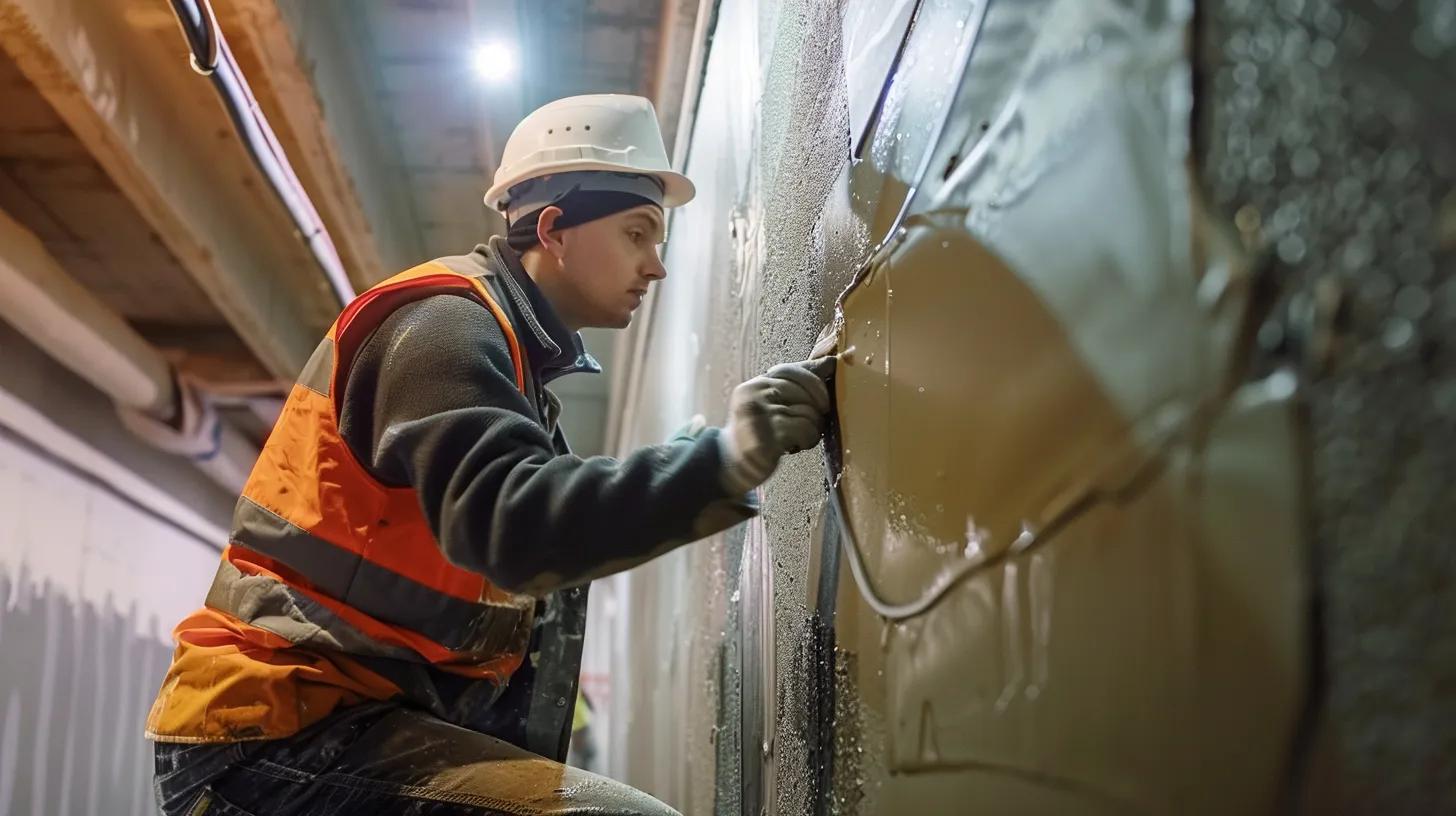
Exterior basement waterproofing proactively protects the foundation by applying a waterproof membrane or coating on the outside walls. At CHW Basement Waterproofing, we believe it is crucial to address moisture from the soil outward, especially in areas with high groundwater pressure, stopping water before it reaches the foundation.
What Are the Key Exterior Waterproofing Techniques?
Key techniques involve excavating around the foundation to expose the basement walls, repairing any cracks or structural issues, and then applying a durable waterproof membrane. We also install drainage systems such as footing or perimeter drains to channel water away. Backfilling with granular material or adding a french drain works in tandem with these systems to minimize water buildup.
What Are the Benefits and Drawbacks of Exterior Waterproofing?
Exterior waterproofing stops water at the source, providing long-term protection and enhancing foundation integrity. Although it is more expensive and invasive—requiring significant excavation and landscape disruption—the long-term durability and robust defense against water infiltration often justify the higher cost, particularly for homes with severe water issues.
How Does Exterior Waterproofing Protect Your Foundation?
By creating a continuous, impenetrable barrier on the outer walls and installing drainage systems, exterior waterproofing diverts water away from the foundation. This reduces hydrostatic pressure and minimizes risks such as cracks, shifting, or collapse. The use of a footing drain further enhances this protection by redirecting excess water.
What Does Exterior Waterproofing Installation Involve?
The installation begins with excavating soil around the foundation to expose the exterior walls. After cleaning and repairing any structural damage, we apply a waterproof membrane using either liquid-applied coatings or sheet membranes that adhere tightly to the wall. A drainage system is then installed along the footing to collect and divert water, and the excavated area is backfilled with well-draining materials, occasionally supplemented with additional french drains for optimum water diversion.
How Do Interior and Exterior Waterproofing Compare in Cost and Effectiveness?
Comparing interior and exterior waterproofing involves considering installation costs, maintenance demands, and long-term performance. At basement waterproofing Cherry Hill NJ, we find that each method has its merits based on the water issue severity and property conditions. Interior waterproofing is less expensive and minimally invasive—a good option for moderate water problems. Exterior waterproofing, although more costly upfront, provides a permanent solution for severe groundwater pressure.
What Is the Typical Cost Range for Interior Waterproofing?
Interior projects generally range from $3,000 to $8,000, based on the area size and repair needs. Basement waterproofing cost depend on the materials used and the complexity of installing interior drainage systems. Clients favor this option for addressing minor leaks and condensation economically.
What Is the Typical Cost Range for Exterior Waterproofing?
Exterior projects range from $10,000 to $25,000 due to the greater labor and excavation requirements. Disruption of landscaping and additional drainage installations increase costs. Despite the higher investment, its durability in addressing water issues at the root often makes it the preferred choice for long-term protection.
Which Method Offers Better Long-Term Effectiveness?
Exterior waterproofing generally provides superior long-term protection, especially in areas with high water tables or chronic moisture issues, by stopping water before it contacts the foundation. However, if water damage has already occurred, interior waterproofing offers a quicker remedy to improve indoor air quality and prevent mold growth. Often, a combination of both methods is used for optimal protection.
How Do Installation and Maintenance Costs Differ?
Interior systems usually have lower installation and maintenance costs because they involve less disruption. Periodic reapplication of sealants is common but less expensive than the large-scale upkeep needed for exterior systems. When properly installed, exterior systems require less frequent maintenance; however, repairs can be costly due to the excavation involved. Our professionals assist homeowners in weighing these factors against long-term benefits.
When Should You Choose DIY vs Professional Basement Waterproofing?
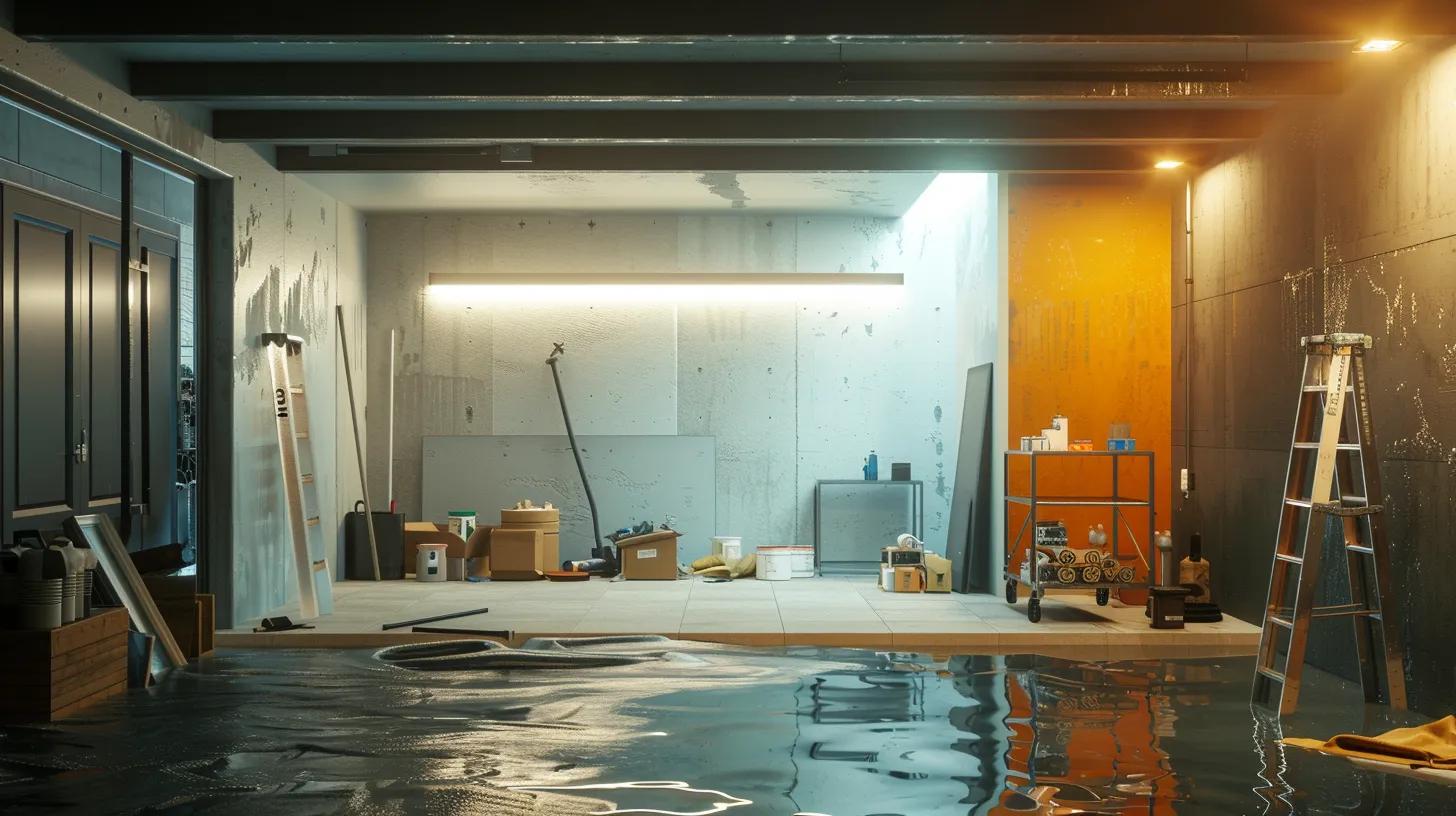
Deciding between DIY solutions and hiring a professional depends on the water issue’s complexity, required expertise, and associated risks. While several DIY kits exist for minor interior waterproofing tasks, our basement waterproofing Cherry Hill NJ experience at CHW Basement Waterproofing shows that critical issues demand the expertise of certified contractors.
What Are the Pros and Cons of DIY Waterproofing?
DIY waterproofing can be budget-friendly for handling small cracks and cosmetic issues, offering immediate remedial action. However, these projects often lack the thorough inspection, specialized materials, and advanced techniques that professionals use. Improper installation with DIY methods risks hidden water damage and ineffective drainage, making them unsuitable for extensive leaks or structural problems.
What Are the Benefits of Hiring a Professional Waterproofing Contractor?
Professional waterproofing provides a comprehensive, long-lasting solution. Our basement waterproofing Cherry Hill NJ team performs detailed inspections, accurately diagnoses water damage, and applies advanced techniques tailored to each basement’s needs. Utilizing industry-leading materials, our methods guarantee protection and come with a free estimate and work warranty. Professional services also ensure that the property’s structure and indoor air quality remain uncompromised.
How to Decide When to Hire a Professional?
You should consider professional help when water damage is extensive or structural issues are suspected. Persistent damp spots, visible mold, or foundation cracks are signals to seek expert evaluation. Complex circumstances, particularly with high water tables or compromised structures, warrant professional installation for lasting protection.
What Are the Common Risks and Challenges of Basement Waterproofing?
Both interior and exterior waterproofing present risks and challenges during and after installation. Understanding these is essential to avoid issues like mold growth, structural damage, or system inefficiencies. At CHW Basement Waterproofing, we assess these risks in detail and work with homeowners to implement strategies that ensure our waterproofing systems remain durable.
What Are the Potential Risks of Interior Waterproofing?
Interior waterproofing may mask deeper structural problems by only addressing surface symptoms. Severe water pressure can eventually overpower interior sealants, resulting in recurrent leaks and moisture buildup. Improper installation may trap moisture between the coating and wall, promoting mold and deteriorating indoor air quality. Hence, if significant issues underlie the symptoms, reliance solely on interior methods may lead to repeated repairs.
What Are the Risks Associated With Exterior Waterproofing?
Although exterior waterproofing is highly effective, it carries risks such as damage from extensive excavation and disruption to landscaping. Faulty drainage system installation can cause misdirected water flow, increasing hydrostatic pressure on the walls. Aesthetic or structural damage during excavation is possible; however, these risks are minimized by thorough inspection and use of high-quality materials.
How Can Mold and Mildew Be Prevented After Waterproofing?
Post-installation, it is essential to control indoor humidity using dehumidifiers and ensure proper ventilation. Regular inspections, especially during winter when condensation is common, help catch early moisture accumulation. Using mold-resistant coatings and sealants further reduces the risk of mildew, protecting indoor air quality and the longevity of the waterproofing system.
What Are the Key Benefits of Waterproofing Your Basement?
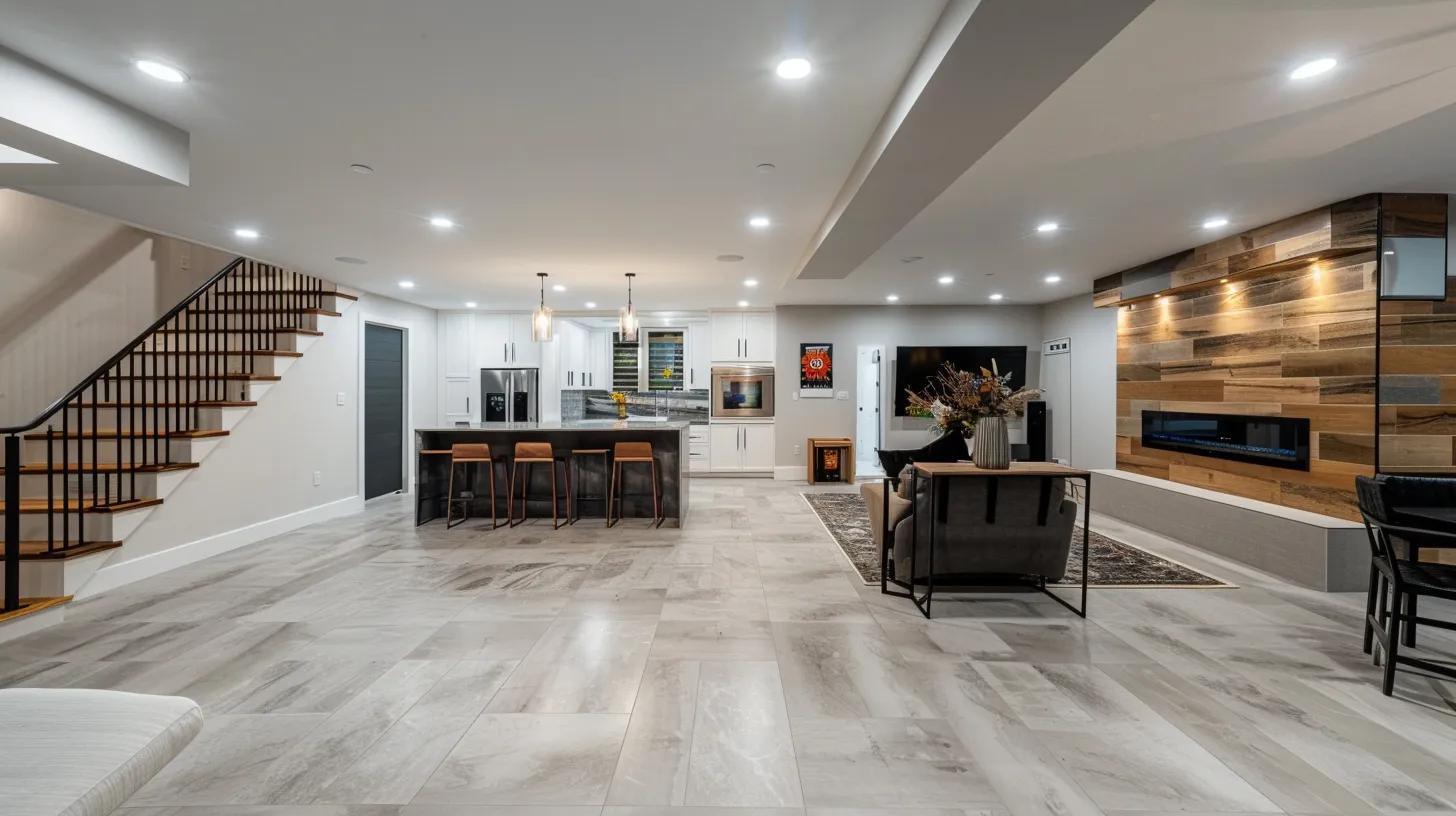
Waterproofing provides numerous benefits including structural integrity, enhanced indoor air quality, increased property value, and safety. At CHW Basement Waterproofing, we emphasize that a well-protected basement prevents costly water damage and supports a healthier living environment.
How Does Waterproofing Prevent Water Damage and Mold Growth?
Waterproofing creates a barrier that stops moisture from seeping into walls and floors. This barrier prevents structural damage such as cracking and inhibits the growth of mold and mildew. By sealing vulnerabilities and installing efficient drainage systems, waterproofing maintains a dry environment that supports better indoor air quality and reduces allergic reactions related to damp conditions.
How Does Basement Waterproofing Increase Home Value?
A dry, well-maintained basement is a strong selling point. Effective waterproofing protects structural integrity and minimizes hidden damage and future repair costs. In addition, a waterproofed basement can be converted into functional living space, enhancing overall property appeal and market value.
What Environmental Benefits Do Modern Waterproofing Solutions Offer?
Modern waterproofing systems use eco-friendly materials that reduce the need for frequent repairs and minimize waste. By preventing water intrusion and mold growth, these systems also lower energy consumption, as a dry and insulated basement is easier to heat and cool. This results in a lower carbon footprint and decreased overall material consumption over time.
Table Comparing Key Attributes of Interior and Exterior Waterproofing
Before we conclude, consider the following summary comparing both approaches:
This table highlights the key advantages and trade-offs to help homeowners choose the best approach for their specific needs.
What Are the Most Frequently Asked Questions About Interior vs Exterior Basement Waterproofing?
When considering basement waterproofing, many homeowners share common concerns regarding moisture damage, system longevity, and choosing the right contractor. Below are answers to frequently asked questions to guide your decision-making process.
What Are the Signs of Water Damage in My Basement?
Common signs include damp spots, water stains, puddles, musty odors, cracks in walls, and efflorescence (mineral deposits). Prompt attention is necessary to prevent mold growth and further structural damage.
How Long Does Basement Waterproofing Last?
The lifespan depends on the method and installation quality. Interior systems typically last 5 to 10 years before needing reapplication, while exterior systems can offer protection for 20 years or longer with minimal maintenance if installed correctly.
How Do I Choose the Right Waterproofing Contractor?
Verify credentials, read customer reviews, and ensure the contractor has certified experience in basement waterproofing Cherry Hill NJ. At CHW Basement Waterproofing, we offer free estimates, warranties on our work, and over 20 years of expertise to give you confidence in your choice.
Can Basement Waterproofing Be Done on Older Homes?
Yes, older homes can be waterproofed. However, deteriorated finishes or outdated foundation materials may require specialized repairs before effective waterproofing can be applied. An experienced contractor will assess and address these issues accordingly.
What Are the Latest Technologies in Basement Waterproofing?
Recent innovations include advanced liquid-applied membranes, dual-component polyurethane coatings, and moisture sensors that monitor humidity levels. These improvements enhance installation precision, long-term performance, and can integrate with smart home systems to provide real-time alerts.
Frequently Asked Questions
Q: What factors influence the cost of basement waterproofing? A: Costs depend on the chosen method, basement size, severity of water issues, and materials used. Interior options are less invasive, while exterior methods incur higher initial costs due to excavation and drainage installation.
Q: How do I know if my basement needs waterproofing? A: Persistent dampness, visible water stains, mold growth, musty odors, and cracks in walls or floors are signs that your basement needs waterproofing. A professional evaluation can identify the underlying cause.
Q: Can waterproofing help improve indoor air quality? A: Yes, by preventing water intrusion and subsequent mold growth, waterproofing promotes better indoor air quality and creates a healthier environment.
Q: Is exterior waterproofing suitable for all types of soil? A: Exterior waterproofing works for various soil types, but the approach may vary with soil composition and drainage capabilities. In clay-heavy or poorly draining soils, additional perimeter drainage may be needed.
Q: How soon after waterproofing can I expect improvements? A: Immediate reductions in moisture are common, while long-term benefits such as enhanced structural stability and air quality become more evident over several months.
Q: What maintenance steps are necessary after basement waterproofing? A: Regular inspections, cleaning of drainage systems, and monitoring for cracks or water stains help maintain effectiveness. Depending on the method, sealants or membranes might need periodic reapplication.
Q: How do combining interior and exterior waterproofing solutions benefit my home? A: Combining both creates a layered defense. Exterior systems stop water from reaching the foundation, while interior systems manage any water that bypasses the outer barrier. This dual approach maximizes protection and minimizes maintenance needs.
Final Thoughts
We have outlined the key distinctions between interior and exterior basement waterproofing, detailing how each method works, their associated costs, and long-term benefits. Understanding these advantages and drawbacks allows homeowners to make informed decisions that protect their property while enhancing indoor living conditions. With our extensive experience at CHW Basement Waterproofing, we recommend evaluating your water issues and consulting with professionals to determine the most effective singular or combined approach. Ultimately, proper waterproofing preserves your home’s structural integrity, increases property value, and ensures a safe, dry basement for years to come.